You have already invested in finding shadow AI. The risk has moved to what AI agents do with the access you gave them, and an inventory cannot see that.
The inventory you built answers yesterday's question
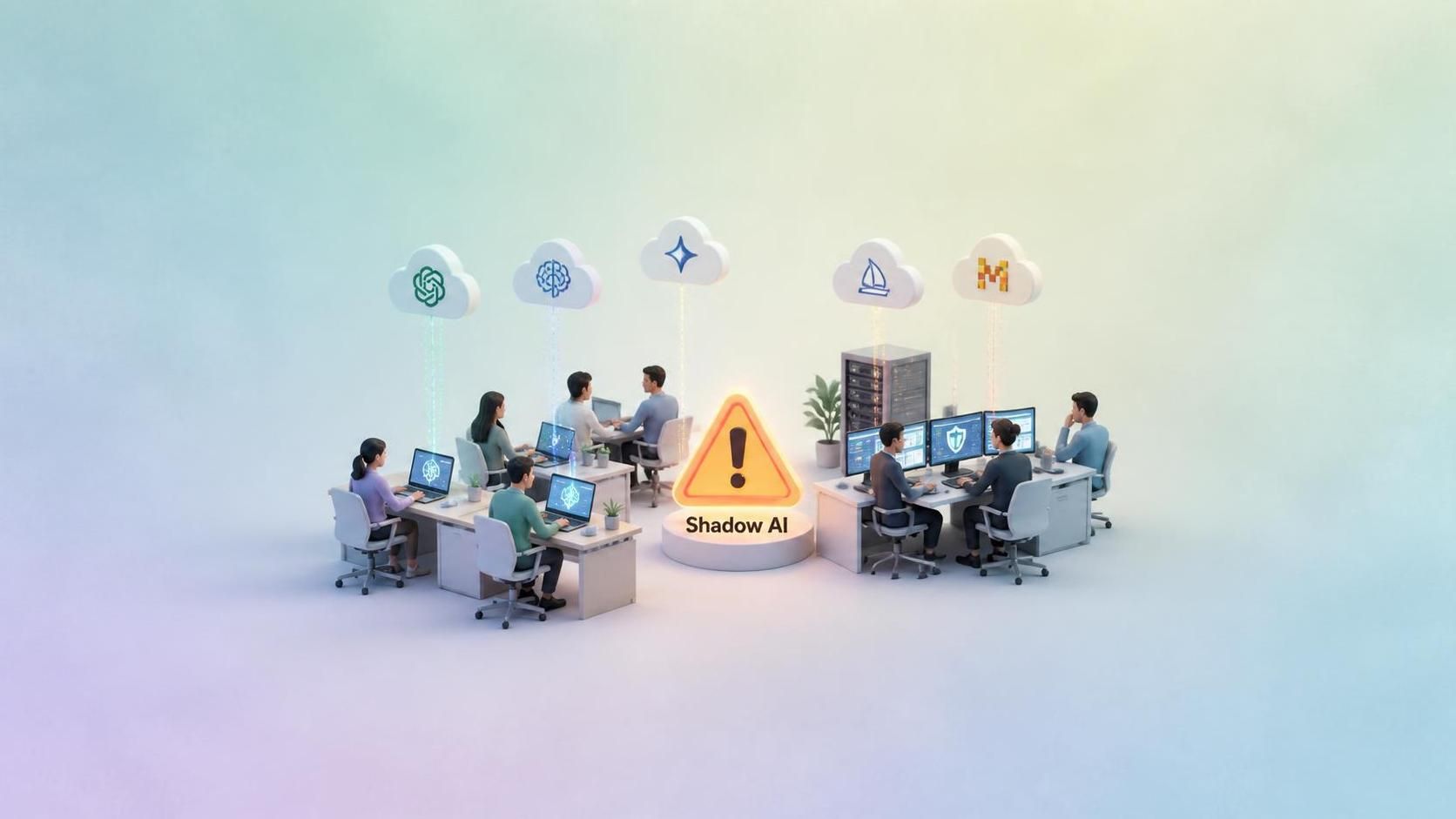
Most security teams have spent the last two years on one question: which AI tools are our people using? Discovery tools, usage policies and approved-vendor lists were a sensible response, and a real investment.
Industry breach research points the same way. As of writing, IBM's 2026 study (as reported by Baker Donelson) put shadow AI in 43% of incidents at breached organisations, up from 20% a year earlier, with 68% of breached organisations lacking the AI governance to manage it.
But the exposure has changed shape. Gartner expects 40% of enterprise applications to include task-specific agents by the end of 2026, up from under 5% in 2025. An agent is not an app someone opens. It holds credentials, calls tools and changes records, often with no person watching. Knowing it exists does not tell you who authorised it, what it can reach or what it did yesterday.
What an agent attack looks like
In June 2025, Aim Security disclosed EchoLeak (CVE-2025-32711, CVSS 9.3), a flaw in Microsoft 365 Copilot. A crafted email could make Copilot combine attacker instructions with sensitive internal content and leak it, with no click from the user. Microsoft had already fixed the issue, and no exploitation in the wild was reported at disclosure (The Hacker News).
Now look at what an inventory-only view would have shown: an approved, sanctioned application doing its job. The harm was in the behaviour. Untrusted content entered the agent's context. Sensitive data was retrieved beyond what the task needed. An outbound action then carried it out. Each step sits in a different system, and no single log tells the story.
The pattern matters more than the product. Any agent that mixes untrusted and sensitive content, then acts on the result, can fail this way.
From inventory to AI Detection & Response
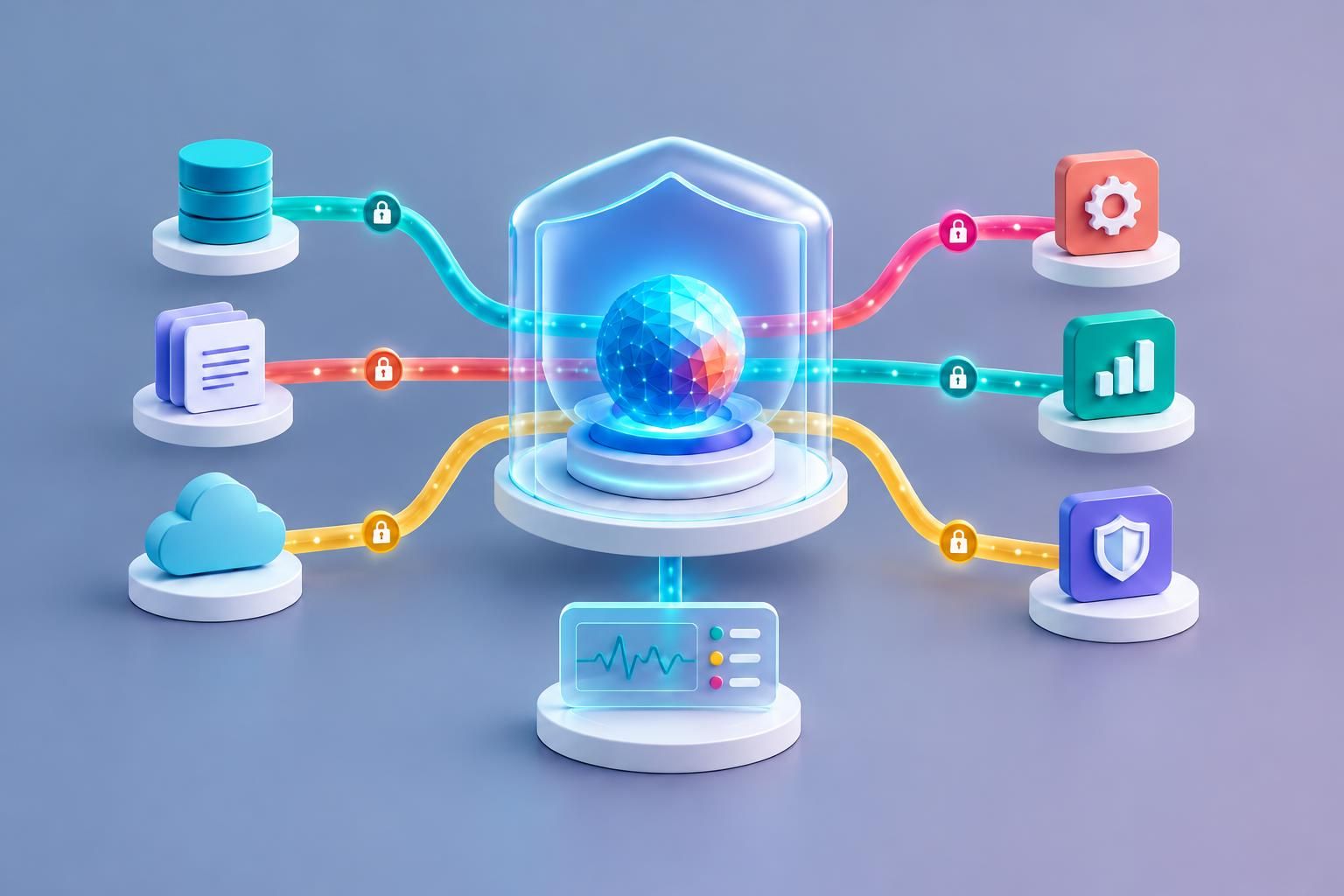
AI Detection & Response (AIDR) builds on the inventory you already have. It adds three functions:
- Discover. Tie every agent to an owner, an identity and a permission set, so there are no orphan agents and no unknown delegations.
- Observe. Record tool calls, delegated permissions and actions, not just usage. Behaviour becomes the audit trail.
- Respond. Baseline what is normal for each agent, detect deviations such as prompt injection or mass retrieval, then block, quarantine or revoke while the activity is under way, with a hand-off to your SIEM and SOAR.
Neurux is built to run on-premise by default, with an air-gapped option, because agent telemetry contains prompts, retrieved records and the actions taken on them. It is also honest about limits. Agents inside third-party SaaS may expose limited events, so we validate coverage up front instead of assuming it, and most teams start in monitor mode before moving to enforcement.
What you stand to lose by waiting
Consider what you have already put in: the discovery tooling, the policy work, the vendor approvals, the AI programmes you have sanctioned. That investment only pays off if you can govern what those systems do. Without behaviour-level evidence, it answers yesterday's question while the exposure sits in today's.
Some of what you stand to lose cannot be bought back. Logs you did not collect cannot be reconstructed after an incident. And industry research (as of writing, IBM's 2026 study as reported by Baker Donelson) puts the average shadow AI incident at $5.39M, against $4.99M for breaches overall.
Here's the offer
30 minutes. One agent you already run.
We show you who owns it, what it can reach and what we'd watch. You see exactly where your inventory ends and your exposure begins.
If we show you nothing new, you've spent half an hour. If we do, you've found the gap before an attacker does.
Sources
- IBM, Cost of a Data Breach Report 2026 — figures as reported at the time of writing by Baker Donelson and Sentra
- Gartner press release, 26 August 2025
- The Hacker News on EchoLeak, June 2025